Understanding Diagnostic Checks & Error Codes
Modern cars use computer diagnostics to catch problems before they become expensive. We'll explain what those error codes mean, why mechanics run these checks, and how they help identify issues early.
What's Really Happening Under the Hood
Your car's engine isn't just burning fuel and spinning wheels. It's a computer-controlled system with hundreds of sensors monitoring everything from oxygen levels in the exhaust to the temperature of the coolant. When something goes slightly wrong — or even before it becomes a problem — your vehicle's onboard diagnostic system flags it.
That's where error codes come in. They're not some mysterious automotive language. They're your car's way of saying, "Hey, I've noticed something." Understanding what these codes mean puts you in control during maintenance visits. You'll know if a mechanic is dealing with something serious or just a sensor that needs attention.
How Diagnostic Scans Actually Work
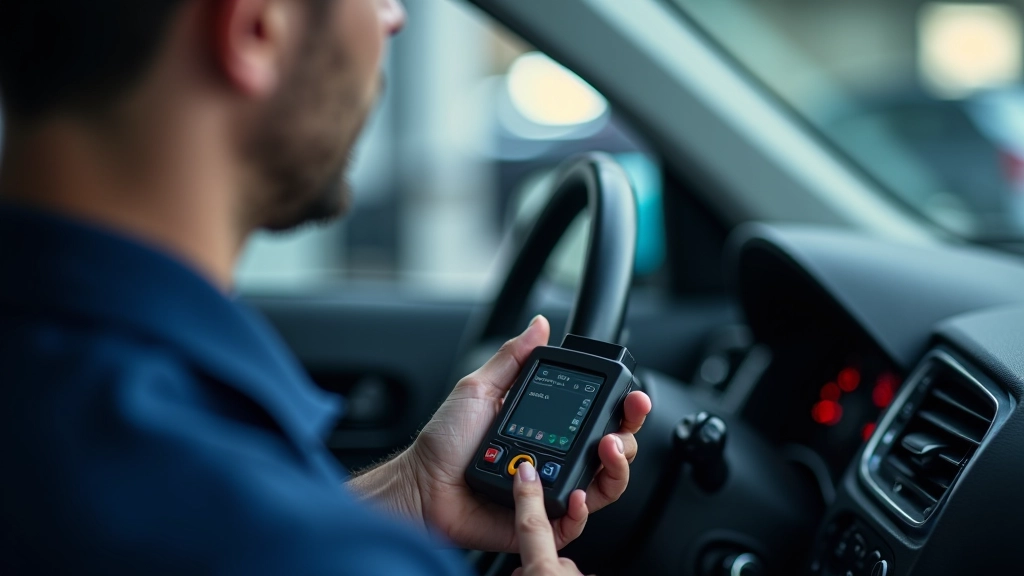
When a mechanic plugs that handheld scanner into your car's OBD-II port (that little socket under your dashboard), they're reading data directly from your vehicle's computer. It's not magic — it's systematic communication between the diagnostic tool and your car's brain.
1
Connection
The scanner connects to your vehicle's OBD-II port and establishes communication with the engine control unit (ECU).
2
Data Reading
The tool reads all stored and pending error codes, plus live sensor data — oxygen sensor readings, fuel pressure, ignition timing, and more.
3
Analysis
The mechanic reviews the codes and real-time data to pinpoint what triggered the warning light. Is it a failing oxygen sensor? A loose fuel cap? An actual engine problem?


Decoding the Error Codes
Error codes follow a standardized format. You'll see codes like P0401 or P0128 — each letter and number tells a specific story. The "P" means powertrain (engine, transmission, emissions). The first digit tells you whether it's a manufacturer code (0 or 1) or a specific manufacturer code (2 or 3).
Here's what you need to know: not all error codes mean your car is broken. Some are warnings that something might need attention soon. Others indicate an active problem that needs fixing before you drive further. For example, P0128 means your coolant thermostat isn't operating in its normal range — annoying, but your car will still drive. P0300, though, means your engine is misfiring. That one needs attention.
The key is understanding that these codes are diagnostic clues, not death sentences. A good mechanic won't just clear the code and send you on your way. They'll investigate why the code appeared in the first place. That's the difference between temporary fixes and real solutions.
Common Error Codes You'll Actually See
P0171 / P0174
Fuel System Too Lean
Your engine isn't getting enough fuel relative to air. Usually points to a failing oxygen sensor, fuel pump issue, or air leak. Won't damage the engine immediately but affects fuel efficiency.
P0420
Catalyst System Efficiency Below Threshold
Your catalytic converter isn't working properly. This is expensive to fix — converters can cost £300-£1500+ — but it's critical for emissions. You'll likely fail an MOT with this one active.
P0011
Camshaft Position Timing Over-Advanced
Your valve timing is off. Often caused by a failing VVT (variable valve timing) solenoid or a timing chain issue. Modern cars rely on precise timing, so this shouldn't be ignored.
P0303
Cylinder 3 Misfire Detected
One cylinder isn't firing properly. Could be bad spark plugs, a failing coil pack, or fuel injector issues. You'll feel this one — rough idle, loss of power, and worse fuel economy.
Why Diagnostics Matter for Your MOT
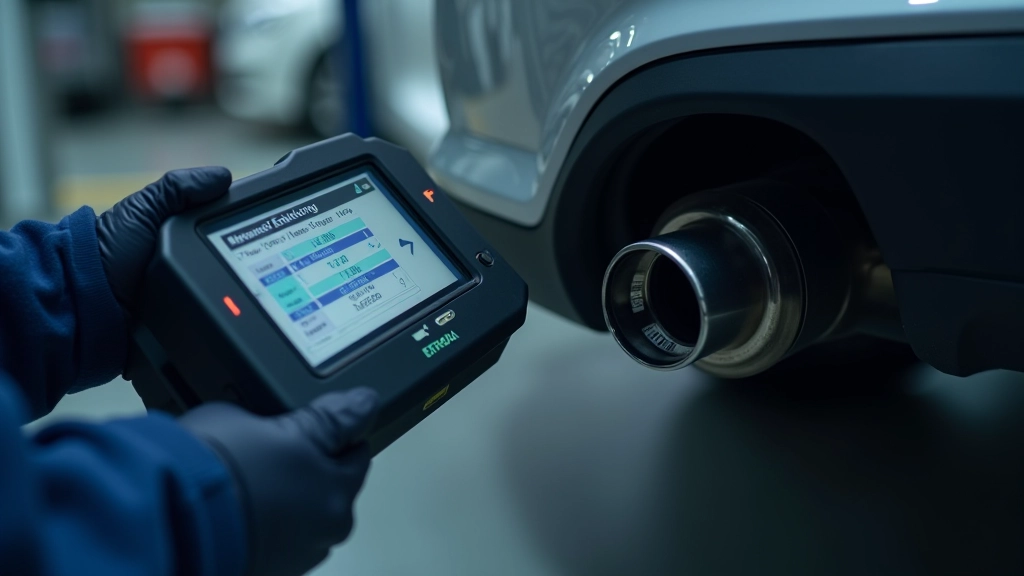
Here's something many car owners don't realize: the MOT test includes a check for active emission-related fault codes. If your check engine light is on because of an emissions issue, you'll fail the MOT. Full stop. Even if your car seems to run fine otherwise.
That's why getting a pre-MOT diagnostic scan is genuinely smart. It costs £30-£50 and takes 15 minutes. If you've got an active code, you'll know before the MOT. You can fix it, or at least understand what you're facing. Some codes will cause a fail. Others won't affect your MOT at all. A proper diagnostic tells you which is which.
We've seen plenty of people show up for their MOT, fail on an emissions code, then need emergency repairs. A simple diagnostic beforehand would've prevented all that stress and potentially saved them money on rushed repairs.


Important Information
The information in this article is educational and based on general automotive knowledge. While error codes follow standardized formats, the specific cause and severity can vary between vehicle makes, models, and years. Always consult with a qualified mechanic for diagnosis and repair of your specific vehicle. Error code meanings are guidelines — professional inspection is essential for accurate diagnosis. Driving with certain active codes may damage your vehicle or cause safety issues, so don't delay getting professional assessment if your check engine light is on.
Taking Control of Your Car's Health
Diagnostic checks and error codes aren't intimidating once you understand what they are: your car's way of communicating problems before they become catastrophic. That's actually a gift. Most older vehicles didn't have this capability. Your modern car is basically telling you exactly what needs attention.
The next time your check engine light comes on, don't panic. Get a diagnostic scan. Understand what the code means. Then make an informed decision about repairs. And definitely get that pre-MOT scan before your test date. It's one of the smartest preventive moves you can make as a car owner.
Ready to ensure your car passes its MOT? Check our MOT preparation guide for a complete checklist of what inspectors look for.