MOT Preparation: Getting Your Car Ready
Don't stress about the MOT test. We'll walk you through the main things inspectors check and simple things you can do now to improve your chances of passing.
What's the MOT Actually About?
The MOT test is basically a safety and emissions check. It's not about how clean your car is or whether it's running perfectly — it's focused on safety-critical items that affect you and other road users. You've probably heard stories about people failing for minor things, and that's real. But here's the thing: most failures are preventable if you know what to look for.
The test takes about 45 minutes to an hour. An examiner will check everything from your brakes and lights to your steering and emissions. It's thorough, but it's not trying to catch you out. They're looking for defects that could make your car unsafe or too polluting for the road.
The Essentials: Lights and Visibility
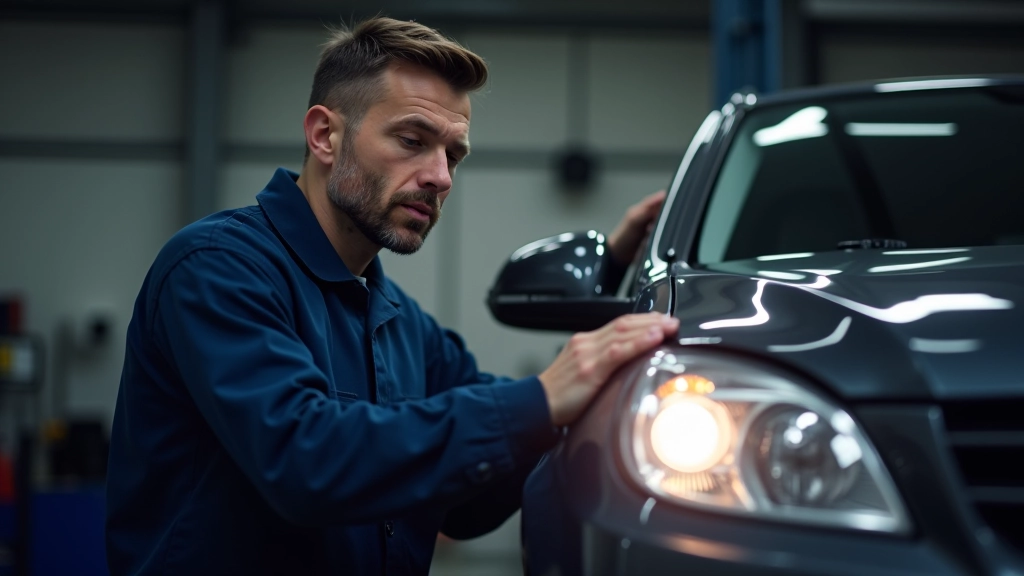
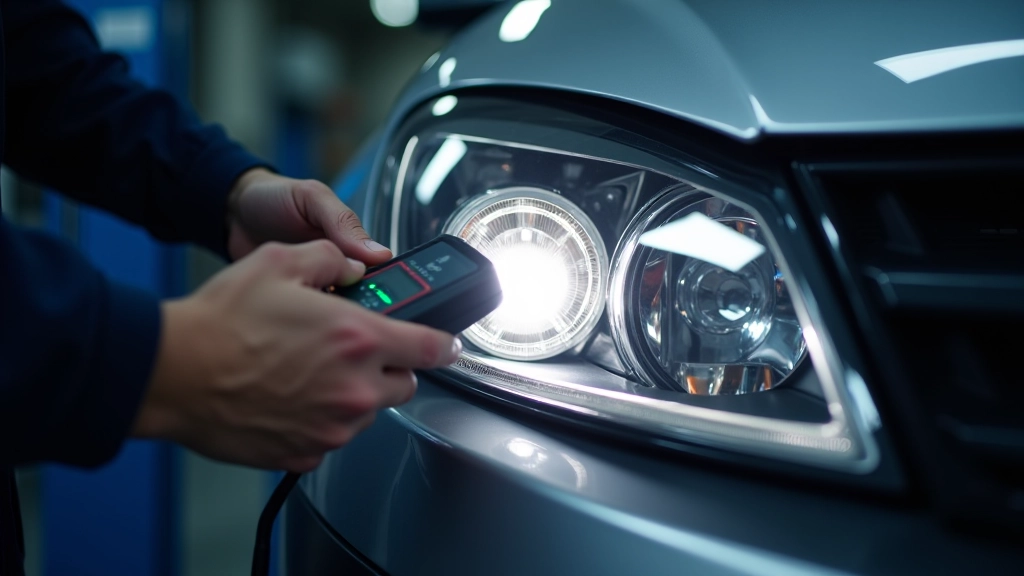
Lighting is one of the biggest reasons cars fail the MOT. It's not complicated — you've just got to make sure all your lights work and aren't damaged. That includes headlights, dipped beams, full beams, brake lights, reverse lights, fog lights, and indicators. Sounds like a lot, but it's quick to check.
Here's what you'll do: Turn on the ignition and work through each light. Walk around the car and actually look at them. Replace any bulbs that are dim or out. If the lens is cracked, that's a fail. Condensation inside a light unit is usually okay, but pooling water isn't. We've seen people fail because one bulb was slightly loose in its socket — an easy fix that takes seconds.
Quick tip: Check your windscreen wipers and washer fluid too. Wipers that leave streaks or tear the glass are a failure point. Washer fluid is cheap — top it up while you're at it.
Brakes: The Safety Priority
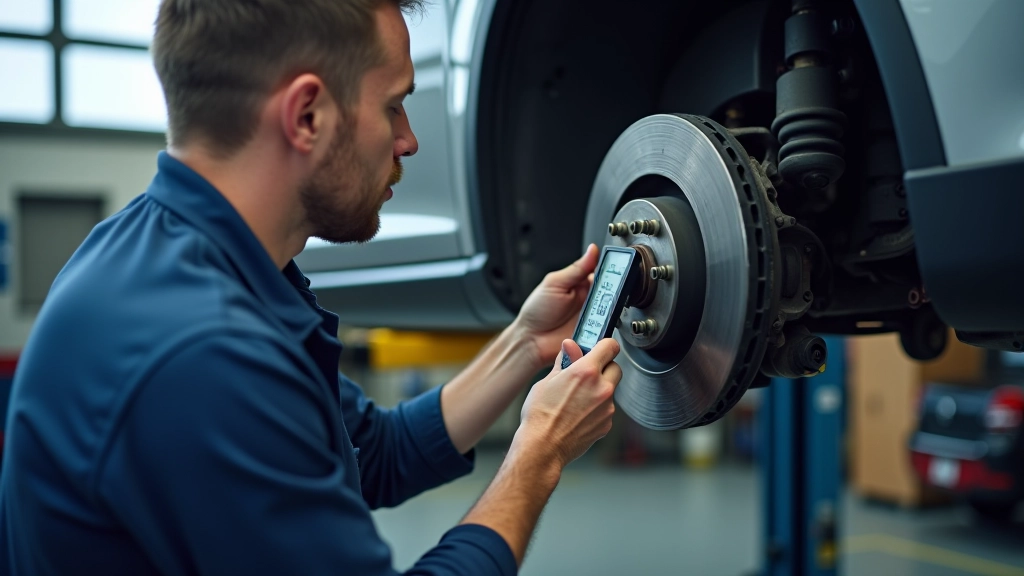
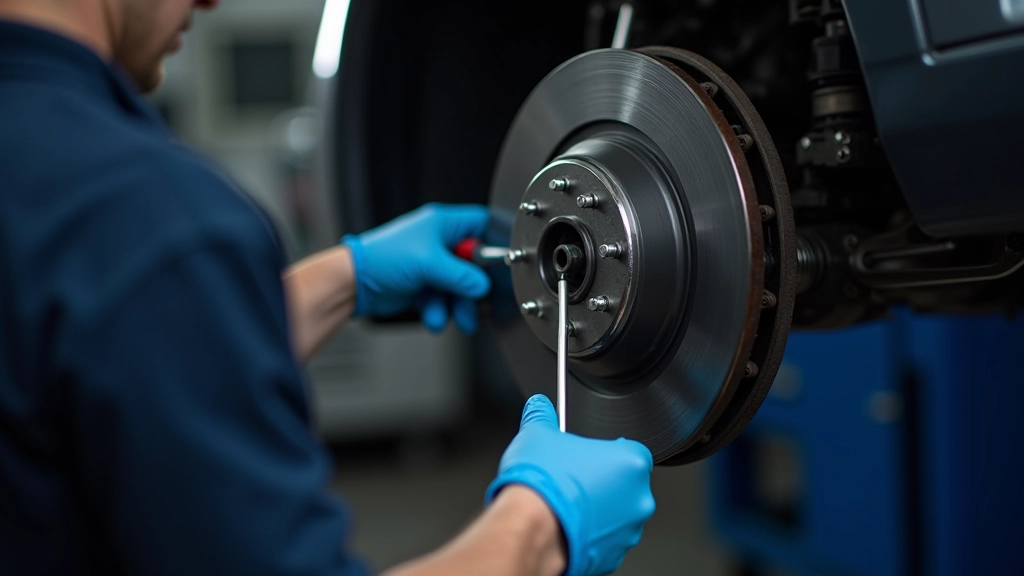
Brake failures are serious, and the MOT tester takes them very seriously. You'll need brake pads with at least 1.5mm of friction material remaining. Below that, they're considered worn and you'll fail. If you've been hearing squealing or the brake pedal feels soft, get it checked before your test.
The examiner will put your car on a brake tester, which measures how effectively each wheel brakes. It's not about whether your brakes feel good to you — it's about meeting specific standards. If your brake fluid is low, that's an easy fix. If your brake hoses are cracked or leaking, that's not. We recommend getting your brakes inspected by someone qualified if you're not sure about their condition.
And one more thing: make sure your handbrake works. The examiner will check it during the test. If it won't hold the car on a slope, that's a failure.
Important Note
This guide is for educational purposes to help you understand what the MOT test covers. Every car is different, and regulations can change. If you're unsure about any aspect of your vehicle's condition, we strongly recommend having it inspected by a qualified technician before your test appointment.
Steering, Suspension, and Emissions
Your steering needs to be responsive and smooth. Any excessive play in the steering wheel, leaking power steering fluid, or worn tie rods will fail the test. It's not just about comfort — it's about safety. If steering feels loose or clunky, get it checked.
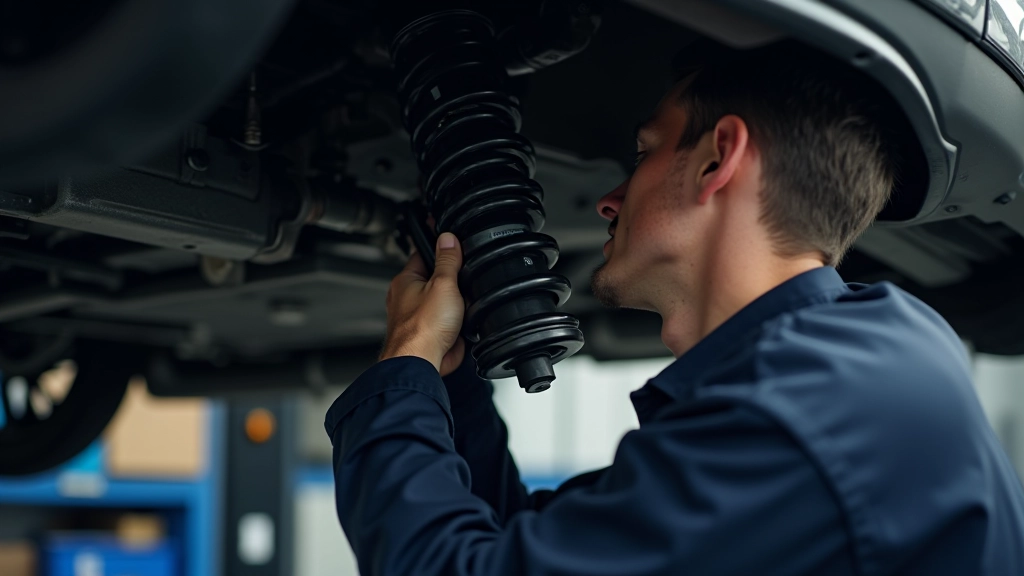
Suspension components wear out. The examiner will look for leaking dampers, worn bushings, and broken springs. If your car is sitting lower on one side or bounces excessively, that's a sign something's wrong. The exhaust system is another common failure point — rust holes, loose sections, or missing heat shields all fail the test.
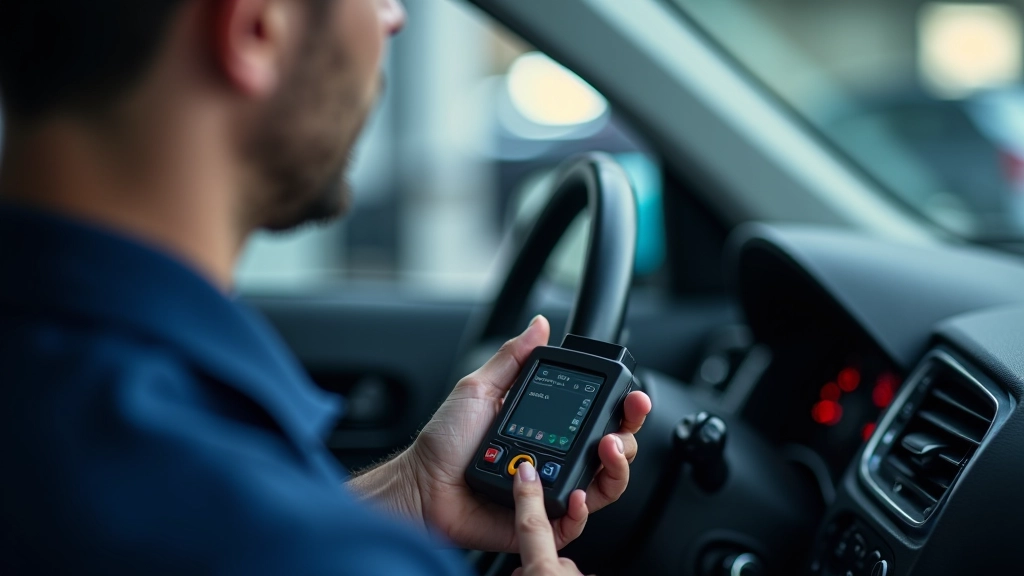
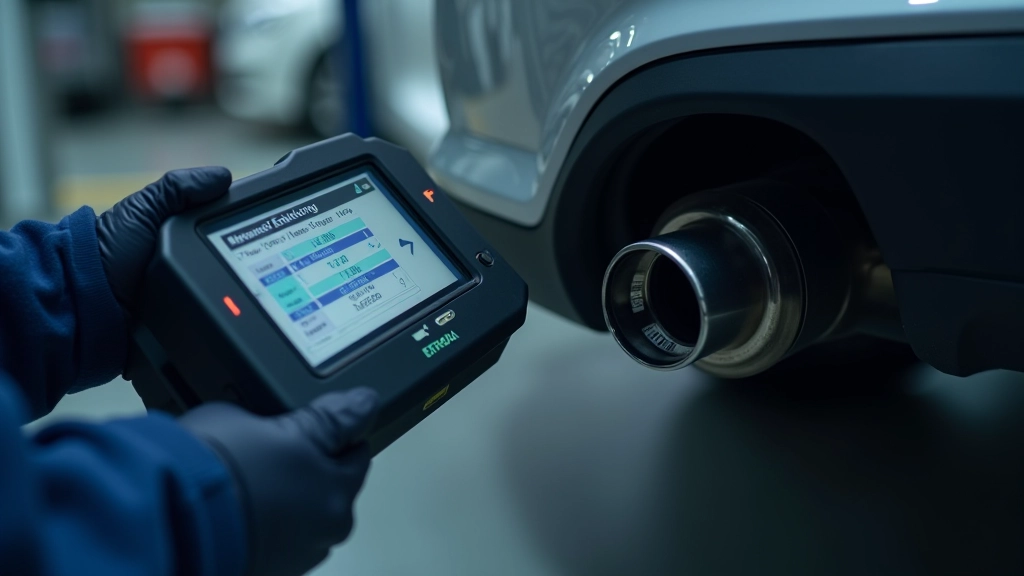
For emissions, the tester will connect a probe to your exhaust to measure CO2 and other gases. If you've been burning oil or running rough, this is where you'll know about it. Older cars are more lenient on emissions standards than newer ones, but they still need to pass. If your check engine light is on, get that diagnostic done before your test.
Getting Ready: Your Pre-Test Checklist
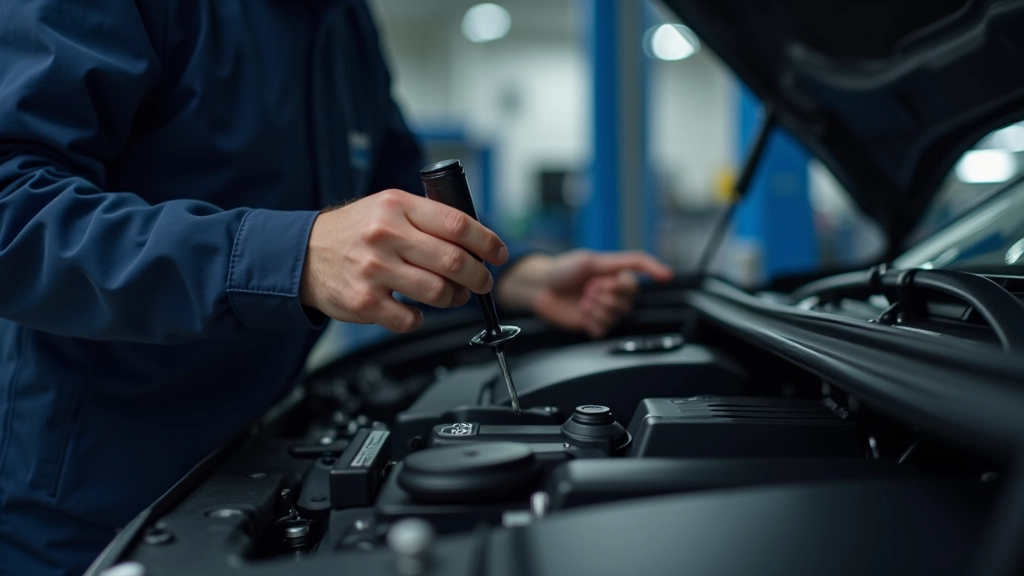
A few days before your MOT, spend 30 minutes doing a basic inspection. Walk around your car. Check all lights. Look under the car for obvious leaks. Test your brakes, steering, and windscreen wipers. Make sure your fuel cap isn't loose and your number plates are clean and secure.
If you find something that concerns you, don't ignore it. Get it fixed or have it checked by a technician. It's much better to delay your MOT by a week and go in confident than to fail and have to rebook. Most MOT failures are fixable — you'll just need to get the work done and retake the test.
Remember: the MOT isn't trying to be difficult. It's making sure your car is safe for the road. If you've maintained your vehicle reasonably well, you'll pass. And if you don't pass, you'll know exactly what needs fixing. That's actually useful information.

Related Articles