What Happens During a Full Vehicle Checkup
A complete breakdown of every inspection point, from under the hood to the brake system. You'll know exactly what mechanics are checking and why it matters for your car's safety.
Why a Full Checkup Matters
You're probably thinking — it's just a checkup, right? Actually, there's a lot happening when you book a full vehicle inspection. We're not just looking at one or two things. A proper checkup covers everything from your engine's health to your brake system's stopping power. It's the difference between catching a small problem now and facing a breakdown on the highway later.
The thing is, most drivers don't realize how interconnected a car's systems are. A worn brake pad doesn't just affect your brakes — it can impact how your car handles. Low fluid levels can cause engine stress. That's why mechanics follow a structured approach, checking each system methodically. You'll feel a lot more confident once you understand what's actually happening under your car.
Engine & Fluid Inspection
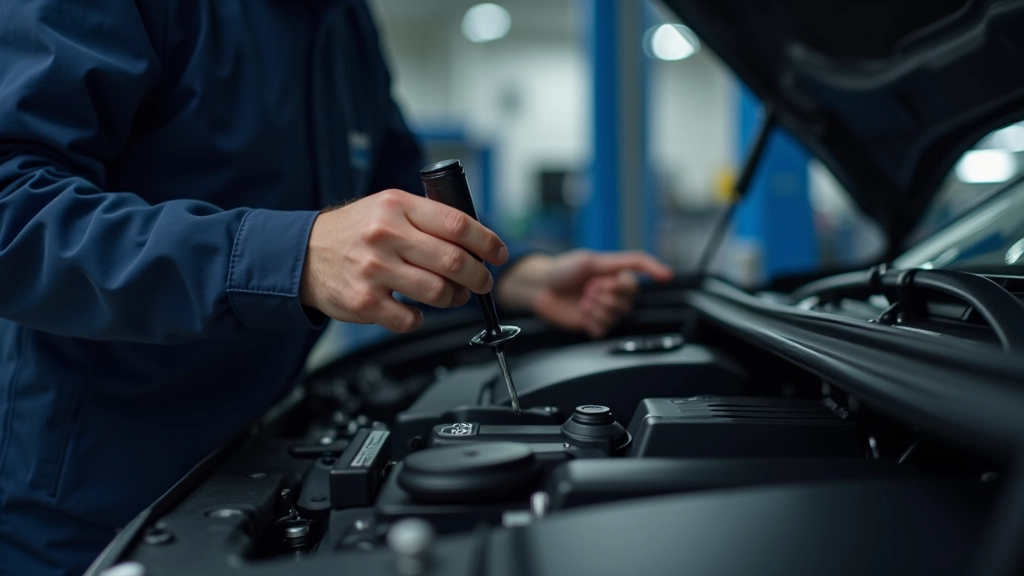
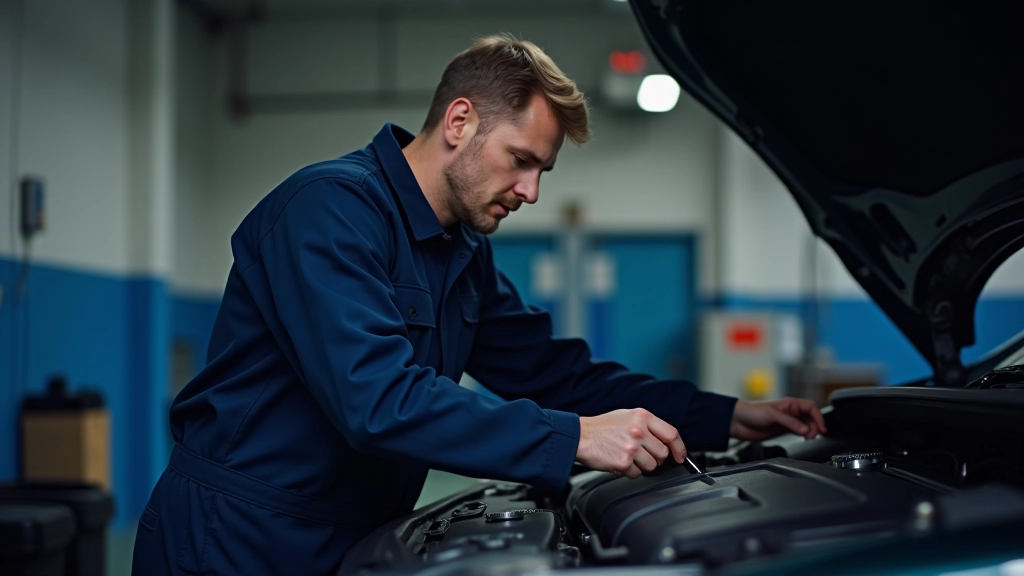
The engine is the heart of your car, so this is where the inspection starts. Mechanics check your oil level first — they're looking at both the amount and the condition. Fresh oil is clear and amber-colored. Dark, thick oil? That's a sign you're due for a change. They'll also verify you're using the right oil grade for your vehicle.
Beyond oil, we're checking coolant levels and condition. This fluid keeps your engine from overheating, and it degrades over time. You'll also have your transmission fluid inspected. If it's dark red or smells burnt, that's a red flag. We check power steering fluid too — low levels here make steering harder and can damage the pump.
Quick tip
Most fluid checks take just minutes, but they reveal a lot about how well your car's been maintained. If fluids are consistently low, you might have a slow leak that needs attention.
Brake System & Suspension
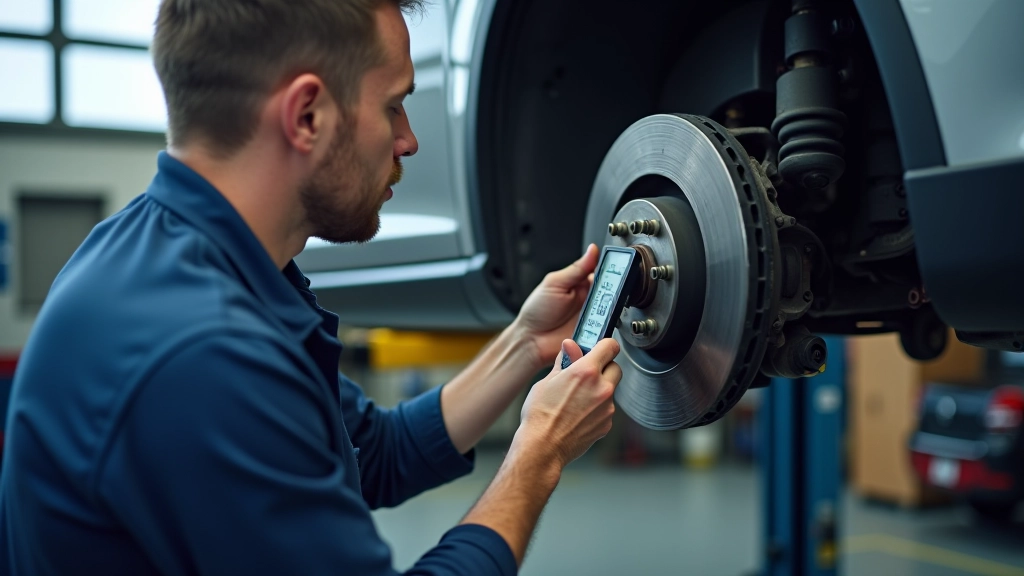
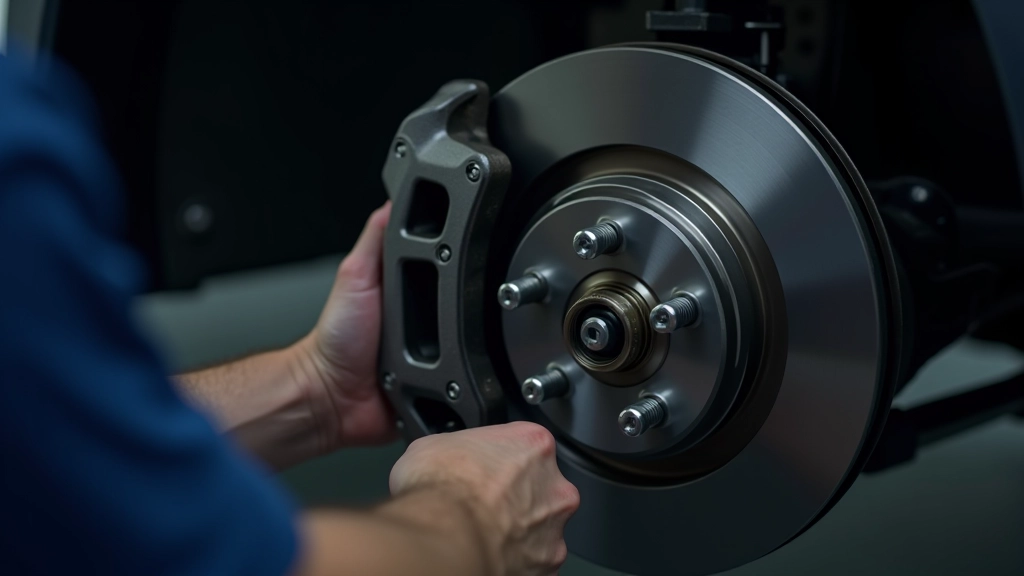
Your brakes are non-negotiable for safety. During inspection, mechanics measure brake pad thickness — most pads should be at least 3mm thick. If they're wearing down, they'll need replacement soon. The rotors get inspected too. If they're warped or scored, they'll create vibration when you brake and may need resurfacing or replacement.
Suspension is equally important. Bad suspension affects how your car handles corners and can cause uneven tire wear. We check shock absorbers for leaks or damage, inspect springs for cracks, and look at stabilizer links. You might notice a bouncy ride or clunking sounds if something's worn out. These problems don't fix themselves — they get worse over time.
We also check your brake fluid condition. It's hygroscopic, meaning it absorbs moisture from the air. Over time, this can lower the boiling point and compromise braking. Most cars need a brake fluid flush every 2-3 years, not just when there's a problem.
Tires, Battery & Electrical Systems
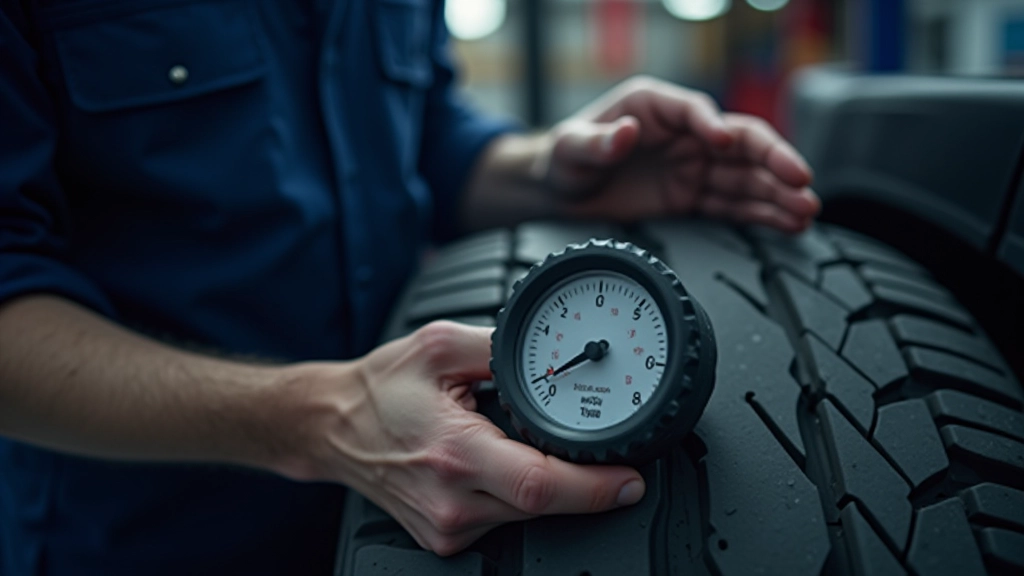
Tire condition is critical. Mechanics check tread depth using a penny test or gauge — legal minimum is 2/32 inch, but many recommend replacing at 4/32 inch for better grip in wet conditions. They also inspect for uneven wear, which points to alignment issues or suspension problems. Sidewalls get checked for cracks or bulges that could cause a blowout.
Your battery gets tested next. They'll check the voltage and load capacity. A weak battery might start your car today but fail you in winter. Corroded terminals are cleaned, and connections are tightened. Battery posts should be clean and tight — loose connections cause all sorts of electrical gremlins.
Electrical systems are inspected for proper function. Headlights, brake lights, turn signals, and interior lights all get checked. We look for corroded wiring, damaged connectors, and faulty switches. A single electrical fault can cascade into bigger problems if left unchecked.
Cooling & Exhaust Systems
The cooling system keeps your engine at the right temperature. We inspect hoses for cracks, leaks, or soft spots where the rubber's degrading. The radiator gets checked for leaks and corrosion. If your coolant's been in the car for 5+ years, it's probably time for a flush — old coolant loses its protective properties and can cause rust inside the engine block.
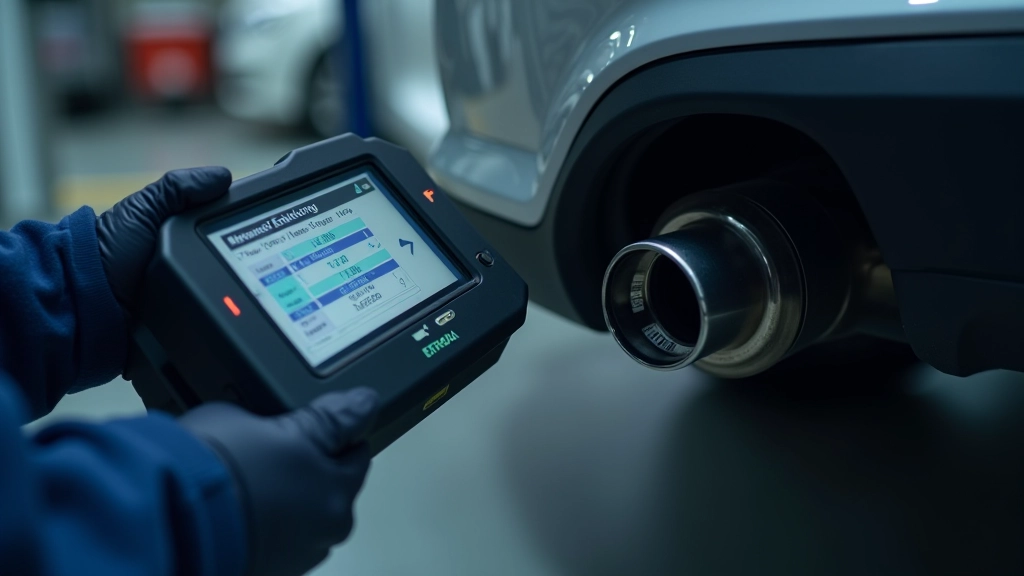
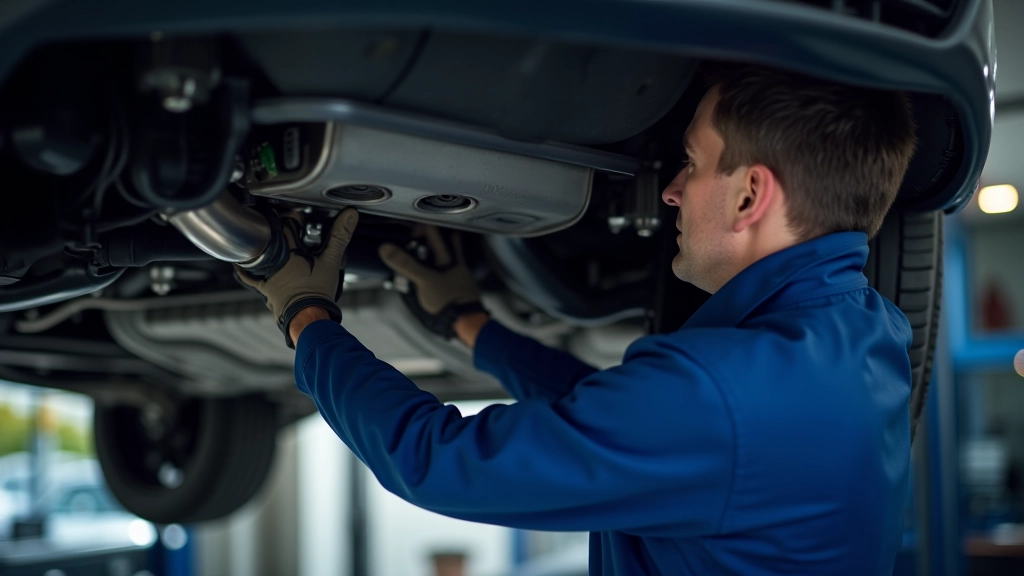
Exhaust system inspection covers everything from the manifold to the tailpipe. We're looking for rust-through holes, loose connections, or damaged hangers. A damaged exhaust system can leak harmful fumes into the cabin. We also check that the catalytic converter isn't clogged — a clogged converter reduces performance and fuel efficiency.
These systems might seem hidden, but they're critical. A coolant leak can leave you stranded with an overheated engine. Exhaust problems affect everything from emissions to how your car runs. That's why we don't skip them during a full checkup.
Important Note
This article provides educational information about vehicle maintenance and inspection procedures. Specific findings during your checkup may vary based on your vehicle's age, mileage, and condition. Always consult with a qualified mechanic about any issues identified during inspection. Recommendations in this guide are general in nature — your mechanic will provide specific advice tailored to your vehicle.
You'll Know What's Coming Now
A full vehicle checkup isn't mysterious anymore. From engine fluids to brake pads, suspension to electrical systems, you've got a solid understanding of what mechanics inspect and why. Most issues we find during these inspections are preventable with regular maintenance. The key is catching problems early before they become expensive repairs.
When you book your next checkup, you'll walk in knowing what's happening. You'll understand the recommendations your mechanic makes because you've learned what they're checking and why it matters. That confidence? That's the whole point of knowing what happens during a full vehicle checkup.

Related Articles