Brake System Inspection: What You Should Know
Brakes are critical for safety. Learn how mechanics assess brake pads, discs, and fluid, plus warning signs that your brakes need attention sooner rather than later.
Why Brakes Matter More Than You Think
Your brake system is one of the most important safety features on your car. When it's working properly, you don't think about it — you just press the pedal and stop. But when something's off, you'll definitely notice.
The thing is, brake problems don't usually happen overnight. They develop gradually, which is why regular inspections catch issues before they become dangerous. During an inspection, mechanics check everything from brake pads to fluid condition to the overall responsiveness of the system.
The Main Parts Mechanics Check
A complete brake inspection covers several key components. Understanding what's being checked helps you follow along when the mechanic explains what they found.
Brake Pads
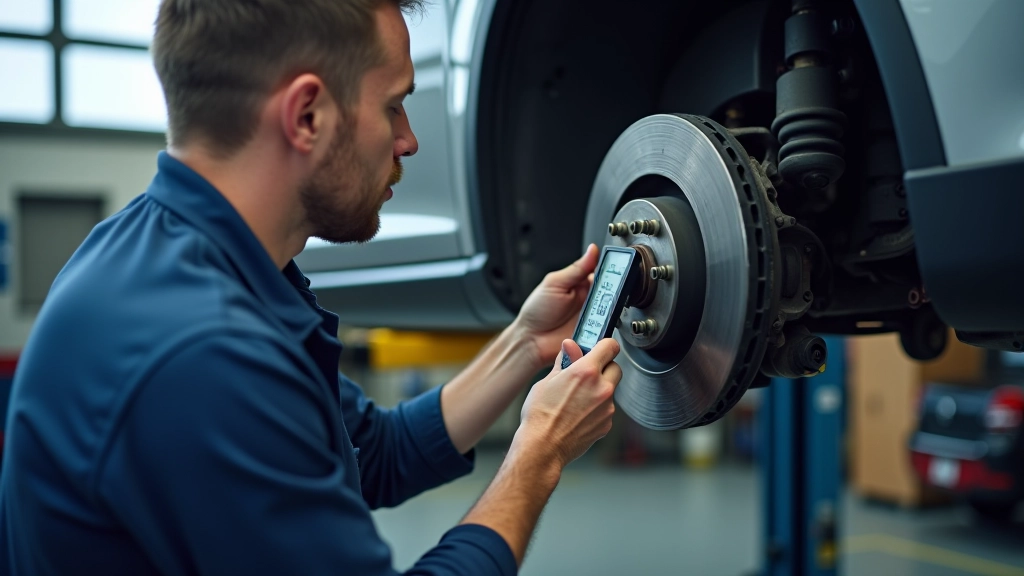
These are the friction material that actually stops your wheels. Most pads need replacing every 25,000 to 70,000 miles depending on your driving habits. Mechanics measure pad thickness — if they're under 2mm, they'll likely recommend replacement soon.
Brake Discs (Rotors)
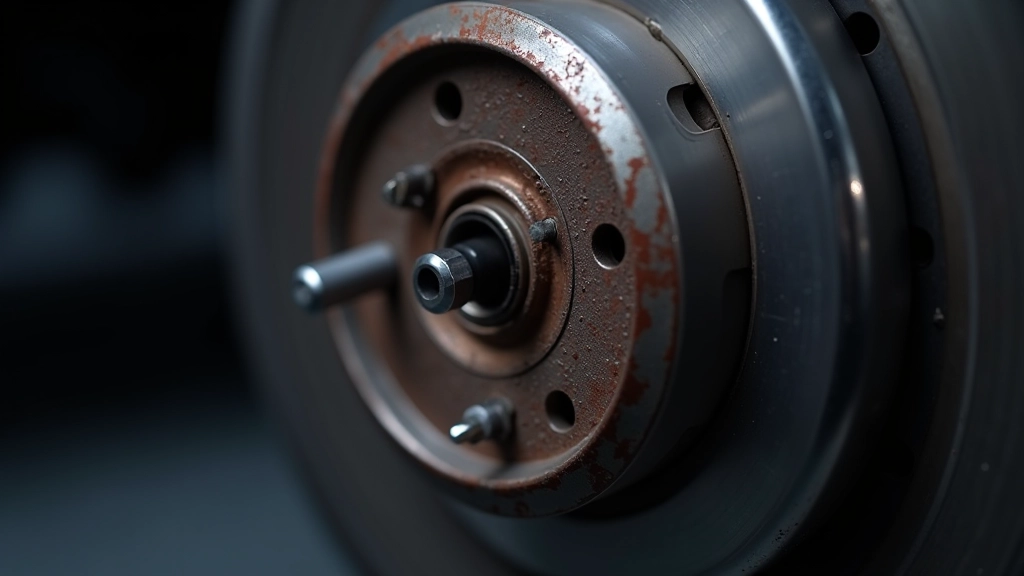
The disc is what the pads grip to create stopping power. Over time, they wear down and can develop grooves. Mechanics check disc thickness and look for signs of damage. Warped or severely worn discs need resurfacing or replacement.
Brake Fluid
Brake fluid transmits the force from your pedal to the brake components. It can absorb moisture over time, which reduces its effectiveness. A mechanic will check the fluid level, color, and condition. Dark or dirty fluid usually means it's time for a flush and refill.
Brake Hoses & Lines
These carry brake fluid throughout the system. They're checked for cracks, leaks, or signs of deterioration. A damaged hose means brake fluid can escape, leading to brake failure — so this check is critical.
What Happens During a Brake Inspection
1
Visual Check
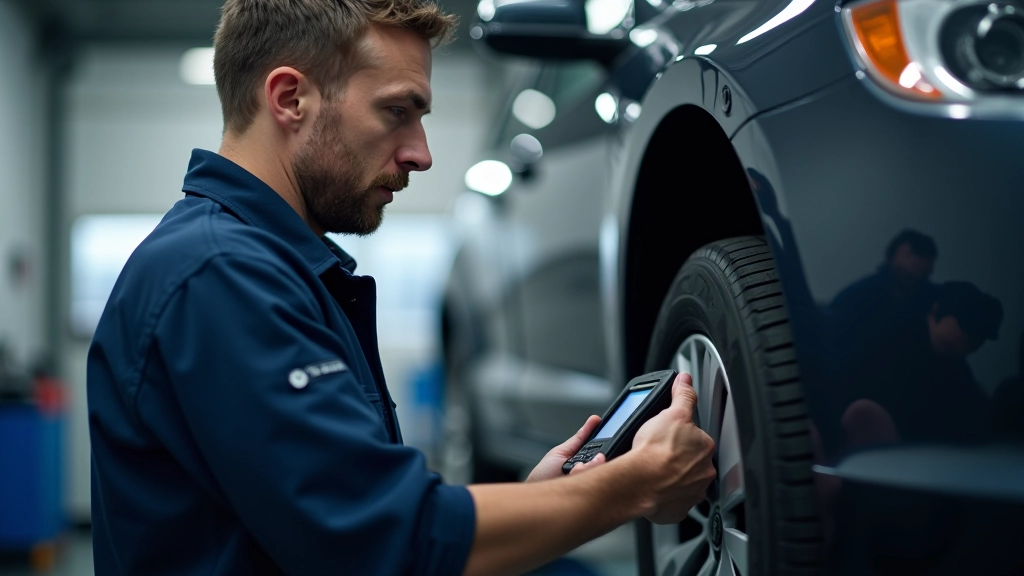
The mechanic inspects brake pads, discs, and hoses for visible damage, wear, or leaks. They'll look at brake pad thickness through the wheel spokes and examine the condition of the rotors.
2
Fluid Assessment
Brake fluid color and consistency are checked. Clean, clear fluid is good — dark brown or black fluid indicates it's time for a system flush. The mechanic also tests fluid levels.
3
Performance Test
The car's braking responsiveness is tested. The mechanic feels how the pedal responds, checks for spongy brakes (which can indicate air in the lines), and listens for any unusual noises when braking.
4
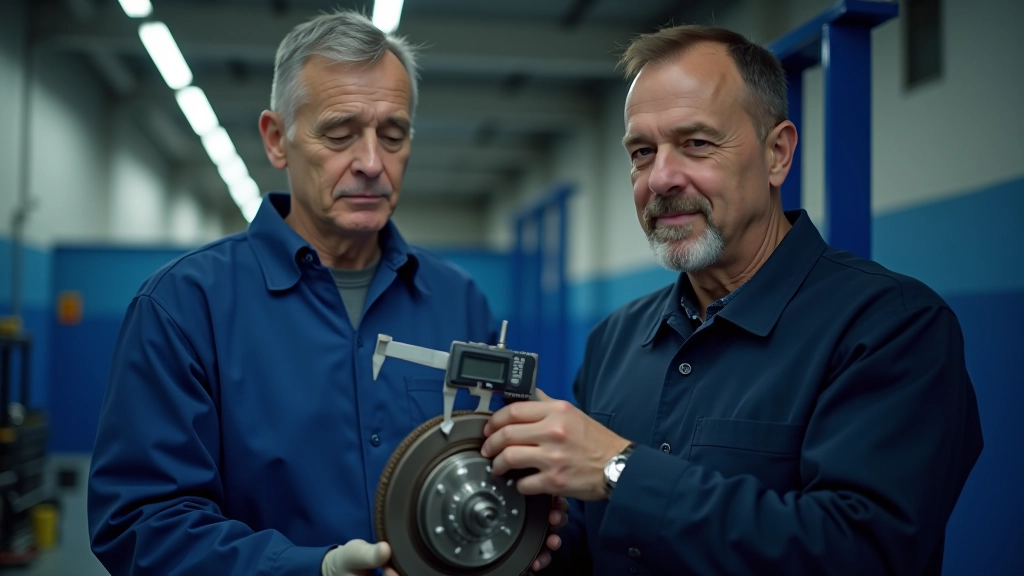
Component Measurement
Precision tools measure brake pad thickness, rotor wear, and check for uneven wear patterns. These measurements determine whether parts need immediate replacement or can safely wait a bit longer.
Warning Signs You Need Brake Service Now
Don't wait for your scheduled inspection if you notice any of these signs. Get your brakes checked right away.
Soft or Spongy Pedal
If the brake pedal feels mushy and travels too far before the brakes engage, you've likely got air in the brake lines. This reduces stopping power significantly.
Grinding or Squealing Noise
High-pitched squealing usually means brake pads are worn down. A grinding sound indicates metal-on-metal contact — the pads are completely gone and discs are being damaged.
Brake Fluid Leak
Puddles under your car or visible fluid on wheels means brake fluid is escaping. You've lost braking pressure and need immediate service — don't drive far.
Dashboard Warning Light
If the brake warning light comes on, don't ignore it. It could mean low fluid, worn pads, or a system malfunction. Get it diagnosed within a day or two.
Vibration When Braking
A pulsing sensation through the pedal or steering wheel suggests warped brake discs or uneven pad wear. The brakes still work but aren't performing at their best.
Longer Stopping Distance
If you're noticing you need to brake earlier than usual to come to a stop, your brake pads are likely worn. Don't delay on this one — it's a safety issue.
Keeping Your Brakes Healthy Between Inspections
You can extend the life of your brake system and stay safe by being aware of how you drive.
Avoid Aggressive Braking
Hard braking generates extreme heat and accelerates pad wear. Smooth, gradual stops are easier on your brake system. Leave extra following distance so you can brake gently when needed.
Don't Ride the Brakes
Continuously pressing the brake pedal while going downhill (or even just to slow down gradually) keeps the pads and rotors hot. Use engine braking instead — shift to a lower gear on hills to let the engine slow you down naturally.
Keep Your Car Well-Maintained
Regular servicing catches brake issues early. Plus, well-maintained suspension and tires improve overall stopping performance. Everything works together to keep you safe.
Listen to Your Brakes
Pay attention to any changes in how your brakes feel or sound. If you notice something different, don't wait for your next scheduled service — get it checked out sooner.
Important Note
This article is provided for educational purposes to help you understand how brake systems work and what to expect during an inspection. It's not a substitute for professional automotive service. Always consult with a qualified mechanic about your specific vehicle's condition, as brake system issues vary based on the car model, age, and usage. When in doubt about your brakes, prioritize getting them professionally inspected — your safety depends on it.
Your Brakes Are Worth the Attention
Brake inspections might not be the most exciting part of car ownership, but they're absolutely essential. Regular checks catch problems early, keep you and your passengers safe, and can actually save you money by preventing more expensive damage down the road.
If you're due for a brake inspection or notice any of the warning signs we've discussed, don't put it off. A quick appointment with a qualified mechanic gives you peace of mind and ensures your brakes perform exactly when you need them to.

Related Articles